How to Clean and Maintain a Stainless Steel Outdoor Kitchen Unit in the UK
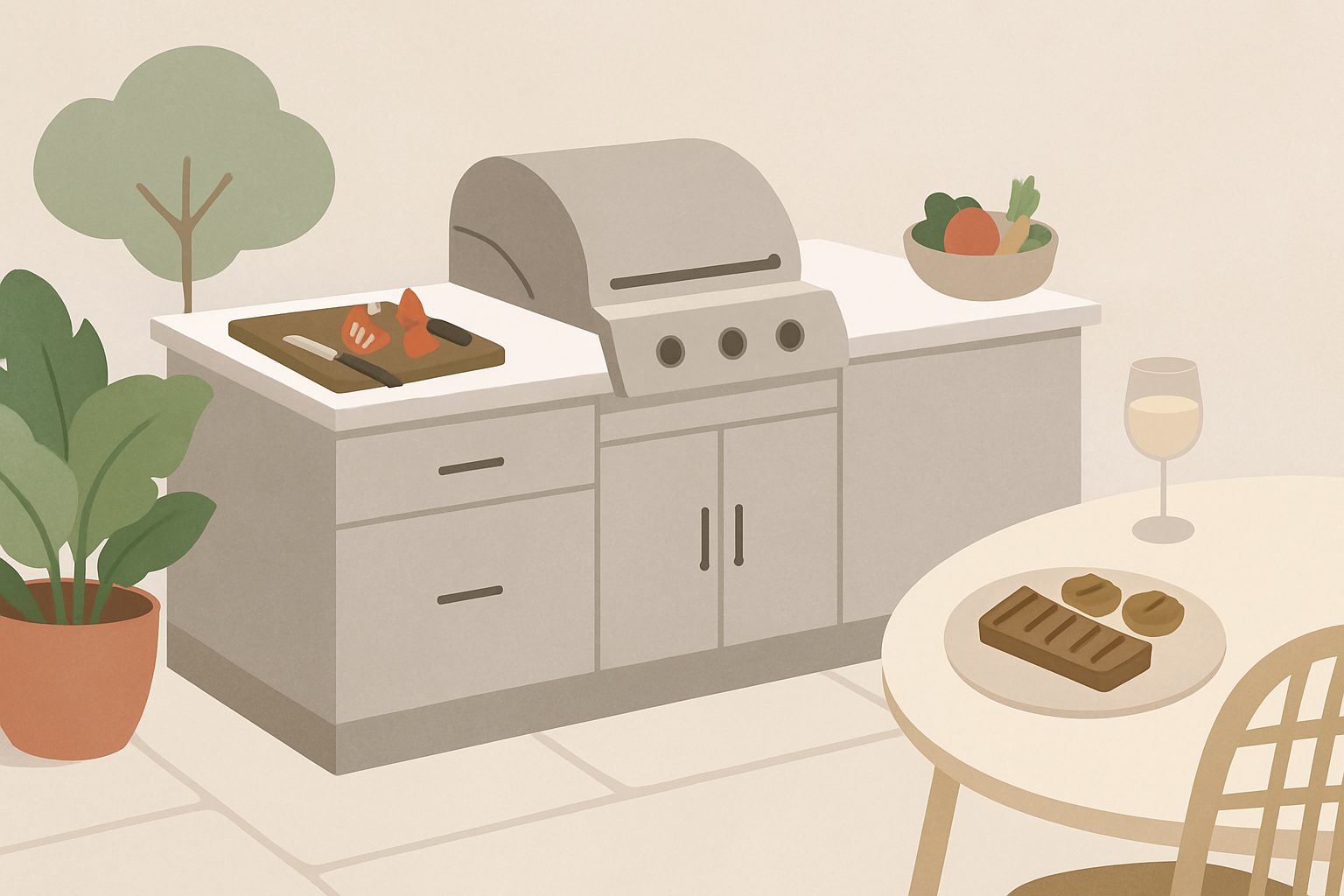
Stainless steel outdoor kitchen islands look stunning when they're gleaming, but they're also unforgiving when neglected. The combination of British weather—salt-laden air near coasts, moisture-heavy winters, and summer temperature swings—puts real demands on the material. Without a proper maintenance routine, stainless steel can develop water stains, fingerprints, dull patches, and in worst cases, corrosion that's difficult to reverse. The good news: keeping your outdoor kitchen unit in pristine condition isn't complicated. It just requires consistency and the right approach for your climate.
Why Stainless Steel Needs Active Care Outdoors
Stainless steel contains chromium, which forms a protective oxide layer on the surface. But that layer is only effective when the steel is clean and dry. In the UK's damp climate, water sits on horizontal surfaces, minerals in rainwater deposit, and salt air accelerates oxidation. Unlike kitchen stainless steel indoors, outdoor units face constant exposure to the elements and thermal stress—expanding and contracting with temperature changes can open microscopic gaps where moisture penetrates.
The type of stainless steel matters, too. Most outdoor kitchen units use 304 or 316-grade stainless steel; 316 is more corrosion-resistant and worth the extra cost if you live within five miles of the coast. Knowing what grade you have helps you choose appropriate maintenance products.
Your Weekly and Monthly Cleaning Routine
Start with the simplest step: after use, wipe down all stainless steel surfaces with a soft, dry microfibre cloth. This removes cooking splatters, fingerprints, and moisture before they set. If residue has dried, dampen the cloth slightly with lukewarm water and gentle pressure usually lifts it away. For stubborn burnt-on food, use a non-scratch sponge with warm soapy water, always wiping in the direction of the grain (stainless steel has a directional grain pattern that you'll see when you look closely).
Once a month, do a deeper clean. Use a dedicated stainless steel cleaner—products specifically formulated for outdoor steel are worth the investment because they remove fingerprints, water spots, and light oxidation in one step. Apply a small amount to a soft cloth, rub gently with the grain, and buff dry immediately with a clean cloth. Never scrub against the grain; this dulls the finish and can create microscopic scratches where corrosion starts.
For mineral deposits left by tap water or rainfall, white vinegar works well. Dilute it 1:1 with water, apply with a cloth, and wipe dry. Avoid vinegar on any copper or brass fittings, though, as it will discolour them.
Seasonal Maintenance: The Key to Longevity
Spring: After winter, inspect your unit for any corrosion spots, especially in hidden areas like underneath shelves or around joints. Early corrosion looks like small brown or orange discolourations. If caught early, these respond well to a rust-removal product designed for stainless steel. Apply, let it sit for the recommended time, scrub gently, and rinse thoroughly.
Check seals and caulking around any fixed components. UK winter moisture can compromise these, and replacing compromised sealant prevents water from getting behind panels. Use a food-grade, outdoor-rated silicone sealant.
Summer: Peak season means more frequent use and exposure to cooking oils, which can leave films on the surface. Wipe surfaces more frequently during summer months. If your kitchen island is in full sun, the stainless steel gets hot; allow it to cool before cleaning to avoid thermal shock.
Autumn: Before wet weather sets in, apply a protective sealant or wax designed for outdoor stainless steel. These products fill micro-pores and create a water-repellent layer that reduces water spotting and mineral deposits. Reapply every six months for best protection. Make sure the surface is completely clean and dry before application; sealant won't adhere properly to a dirty surface.
Winter: This is when protection matters most. A fitted stainless steel cover specifically designed for your unit size is a worthwhile investment if you have a harsh microclimate (coastal exposure, surrounded by trees that keep moisture in). Covers should be breathable to allow air circulation—trapping moisture accelerates corrosion. Ensure proper fastening so winter winds don't blow it off. Even with a cover, check underneath monthly and wipe away any trapped moisture.
Handling Salt Air and Coastal Exposure
If you're near the coast, salt accelerates corrosion significantly. After rain, the salt deposits concentrate as water evaporates, creating an electrolytic environment that pits stainless steel. Post-rain wipe-downs are essential for coastal properties. Use distilled water if possible for the final rinse—tap water contains minerals that contribute to spotting.
For coastal homes, upgrading to 316-grade steel is wise, and applying a protective coating product monthly rather than seasonally makes sense. Some coastal users find that a breathable cover left on year-round (not just winter) pays for itself in reduced maintenance labour.
What to Avoid
Never use steel wool, abrasive scrubbers, or harsh chlorine-based cleaners on stainless steel. These damage the protective layer and create pitting that's difficult to repair. Avoid leaving stainless steel wet for extended periods. Don't use table salt for cleaning (ironically, despite the name "stainless steel," salt accelerates corrosion). Bleach and oven cleaner are also off-limits.
Addressing Problem Areas
Water stains that won't come off with regular cleaners often respond to a dedicated stainless steel polish with oils that fill surface irregularities and restore shine. Small corrosion spots can be treated with products designed to remove rust from stainless steel without damaging the underlying material.
If your unit has bronze or copper fixtures, keep stainless steel products away from those elements—different metals in close contact can create galvanic corrosion. Clean brass and copper separately with appropriate products.
The Long View
A disciplined maintenance routine—weekly wipes, monthly deeper cleans, and seasonal treatments—keeps a stainless steel outdoor kitchen unit in excellent condition for years. The effort required is minimal compared to the cost of replacing severely corroded panels. In the UK climate, where moisture is never far away, consistent care isn't optional; it's the difference between an outdoor kitchen that looks as good in year five as it did in year one, and one that deteriorates faster than you'd expect.
More options
- Modular Outdoor Kitchen Island Units (Amazon UK)
- Stainless Steel Outdoor Kitchen BBQ Island (Amazon UK)
- Outdoor Kitchen Island Weatherproof Cover (Amazon UK)
- Outdoor Rated Undercounter Fridge (Amazon UK)
- Outdoor Pizza Oven Insert for Kitchen Island (Amazon UK)