How to Choose an Outdoor Kitchen Island in the UK – Complete Buying Guide
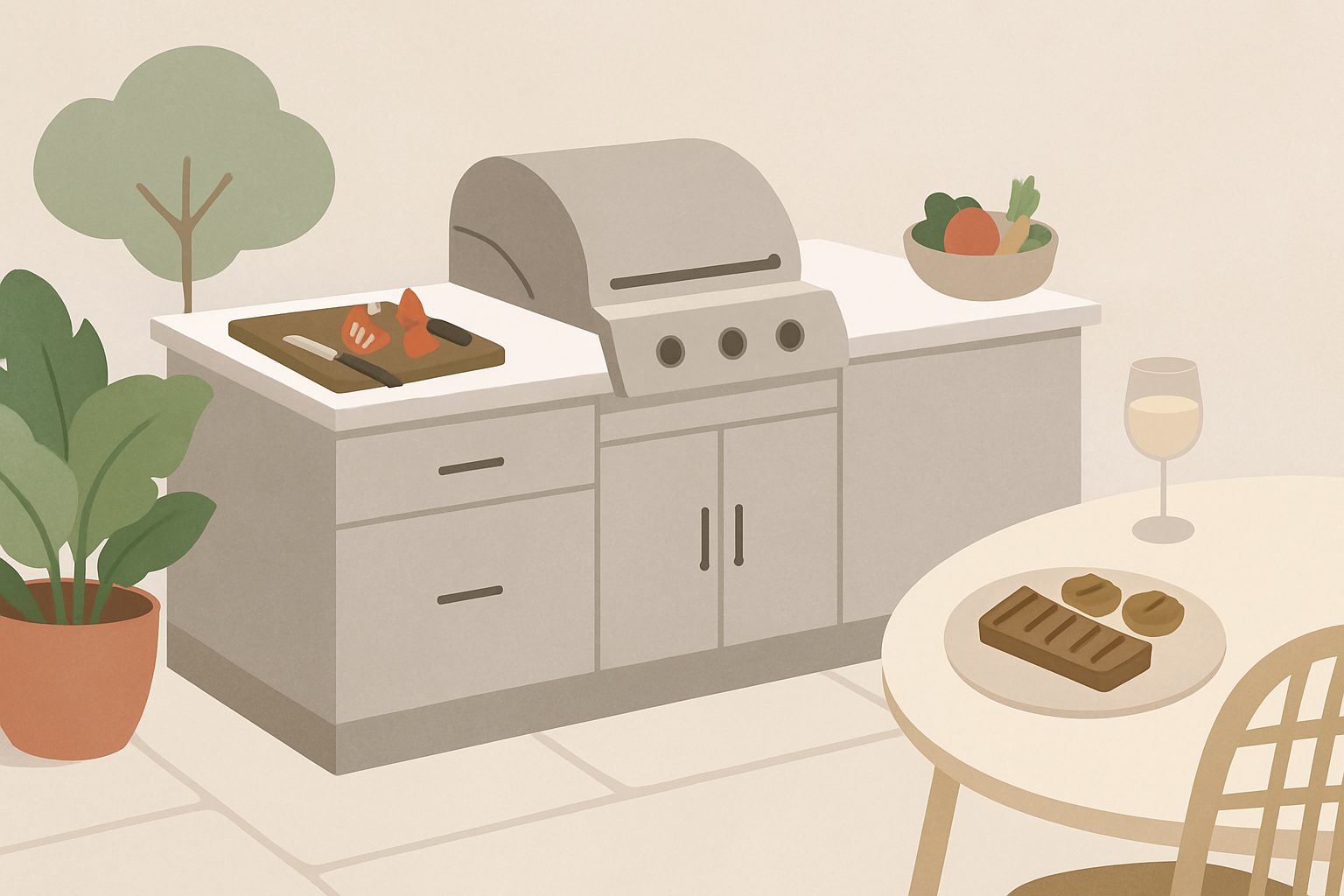
Outdoor kitchen islands have become a mainstay of British gardens over the past decade. The appeal is straightforward: a dedicated cooking and prep space that lets you entertain without trekking between the house and garden. But choosing the right one means navigating size constraints, material durability in UK weather, fuel options, and a wide price range. This guide walks you through the key decisions so you can pick an island that suits your garden, cooking style, and budget.
Assess Your Garden Space and Layout
Before you look at a single island, measure your garden realistically. Islands need breathing room—aim for at least 1.5 metres of clearance on all sides so people can move around safely and you're not cooking with your back pressed against a fence.
Consider sight lines too. A typical island is 150–200 cm long and 60–100 cm deep. Place it where you can watch guests while cooking, ideally where you can step from your patio directly onto the surrounding decking or paving. If your garden narrows or has an awkward shape, a smaller island (100 cm or less) may work better than stretching for a larger footprint.
Think about prevailing winds as well. In most of the UK, southwesterlies are the norm. Position your island so wind blows smoke away from seating areas and, ideally, away from neighbours' windows. This is a courtesy issue that's worth planning for upfront.
Material Durability in UK Weather
UK weather means rain, frost, and damp—so material choice directly affects how long your island will last without constant maintenance.
Stainless Steel: The most durable and lowest-maintenance option. 304-grade stainless steel resists rust and salt air, and it cleans easily. It's expensive upfront (£3,000–£8,000+ for a complete island) but lasts 15+ years with minimal care. Downsides: it can look a bit clinical, and fingerprints show constantly.
Powder-Coated Steel: Cheaper than stainless (£1,500–£4,000) and available in colours. The coating protects against rust, but chips expose bare metal underneath. In UK damp, rust can bloom quickly around damage. Expect to touch up or repaint every 3–5 years, especially in coastal areas.
Concrete: Hard-wearing and suits modern gardens. It absorbs water, though, so seal it every 1–2 years. Frost can damage unsealed concrete, causing spalling. Budget for annual maintenance and potential re-sealing costs.
Stone and Granite: Expensive (£4,000–£10,000+) but beautiful and genuinely durable. Granite handles frost better than softer stone. Requires sealing every 2–3 years but is otherwise low-effort. A good investment if your budget stretches.
Wood: Aesthetically warm but the most demanding option in the UK climate. It rots, splits, and warps. Softwood countertops last 3–4 years before replacement; hardwoods (teak, iroko) manage 5–7 years. Choose wood only if you're committed to annual treatment.
Fuel Type: Gas, Charcoal, and Hybrid
Your fuel choice shapes how you cook and what ongoing costs you face.
Gas: Fastest heat-up, precise temperature control, and low waste. Most UK gardens with gas supply can run a gas line to an island (expect £500–£2,000 for installation). Bottled propane or butane works if a gas line isn't practical, though bottles need regular swaps (cost around £20–£30 per refill). Gas is the default choice for convenience—no charcoal mess, quick cleanup.
Charcoal: Produces superior flavour but demands more skill and patience. Heat-up takes 20–30 minutes, and temperature control is less precise. You'll need a dedicated storage area for bags of charcoal (takes space) and you'll have ash disposal to plan for. Charcoal islands are usually cheaper upfront because the fuel and grill mechanism are simpler.
Hybrid or Multi-Fuel: Some islands include both gas and charcoal zones, or gas plus a wood-fired oven. This flexibility appeals to enthusiasts but adds cost (£4,000–£8,000+) and complexity. A hybrid island is worth it only if you genuinely want variety; if you'll use just one fuel 90% of the time, a single-fuel island will serve you better.
Budget Reality and Value
Island prices vary wildly because "outdoor kitchen island" covers everything from a simple built-in grill to a fully outfitted cooking station.
Budget tier (£1,000–£2,500): Basic standalone islands—often stainless steel or powder-coated steel with a gas grill and minimal counter space. Good for testing whether you'll actually use outdoor cooking regularly.
Mid-range (£2,500–£5,000): Proper built-in setups with gas, solid materials (stainless or powder-coated steel), adequate counter space, and storage. This is the sweet spot for most UK households.
Premium (£5,000–£12,000+): Custom-built or high-end commercial units, often combining gas with charcoal, wood-fired ovens, or integrated mini fridges. Frequently stainless steel or stone. These islands become garden focal points and justify the investment if you entertain often and cook seriously outdoors.
Don't assume expensive equals better—a £3,000 stainless island from a reputable supplier will outlast a £6,000 ornate powder-coated one if materials and installation aren't right.
Final Checks Before Buying
Verify gas connections and ventilation requirements with your installer or the manufacturer. Check that your chosen island's depth doesn't overshadow nearby planting. Review warranty terms (reputable brands offer 2–5 years on materials and workmanship). If delivery and assembly are offered, factor that cost in—islands are bulky and assembly mistakes can be expensive to fix.
Once you've settled on size, material, and fuel, explore specific models through our commercial roundups to find the best value in your chosen category. The right island amplifies your outdoor living; choose based on your garden, your cooking style, and honest long-term maintenance appetite.
More options
- Modular Outdoor Kitchen Island Units (Amazon UK)
- Stainless Steel Outdoor Kitchen BBQ Island (Amazon UK)
- Outdoor Kitchen Island Weatherproof Cover (Amazon UK)
- Outdoor Rated Undercounter Fridge (Amazon UK)
- Outdoor Pizza Oven Insert for Kitchen Island (Amazon UK)